
Feed your Dog a Nutrition food
As a responsible pet owner, ensuring the well-being of our furry friends is a top priority. Just like humans, dogs need a balanced diet to thrive and lead a healthy, active life. While there are countless options available on the market, feeding your dog a nutritionally balanced diet is key to their overall health and happiness. In this blog post, we will explore the importance of feeding your dog nutritious food and provide practical tips on how to ensure they receive the best possible diet.
DOG FEED
Raghu
5/14/20232 min read


1. Understand Your Dog's Nutritional Needs:
To provide optimal nutrition for your dog, it's crucial to understand their specific nutritional requirements. Factors such as age, breed, size, and activity level all play a role in determining their dietary needs. Consult with your veterinarian to determine the appropriate balance of protein, carbohydrates, fats, vitamins, and minerals for your canine companion.2. High-Quality Protein: The Foundation of a Healthy Diet:
Protein is essential for your dog's growth, repair of body tissues, and overall well-being. Opt for high-quality protein sources such as lean meats (chicken, turkey, beef), fish, and eggs. Avoid foods that contain excessive fillers or low-grade protein sources, as they may not provide the necessary nutrients and can lead to digestive issues.3. Carbohydrates: The Right Kind and Amount:
Carbohydrates are an important energy source for dogs, but it's crucial to choose the right kind and quantity. Whole grains like brown rice and oats, as well as vegetables and fruits, provide valuable nutrients and fiber. Avoid foods with excessive amounts of refined carbohydrates, such as corn syrup or white flour, as they offer little nutritional value and can contribute to weight gain.4. Essential Fats: Promoting a Healthy Coat and More:
Healthy fats are vital for your dog's skin, coat, and overall cellular health. Look for foods that contain omega-3 and omega-6 fatty acids, which can be found in fish, flaxseed, and chicken fat. These fats also support brain function and reduce inflammation.5. Nutrient-Dense Superfoods:
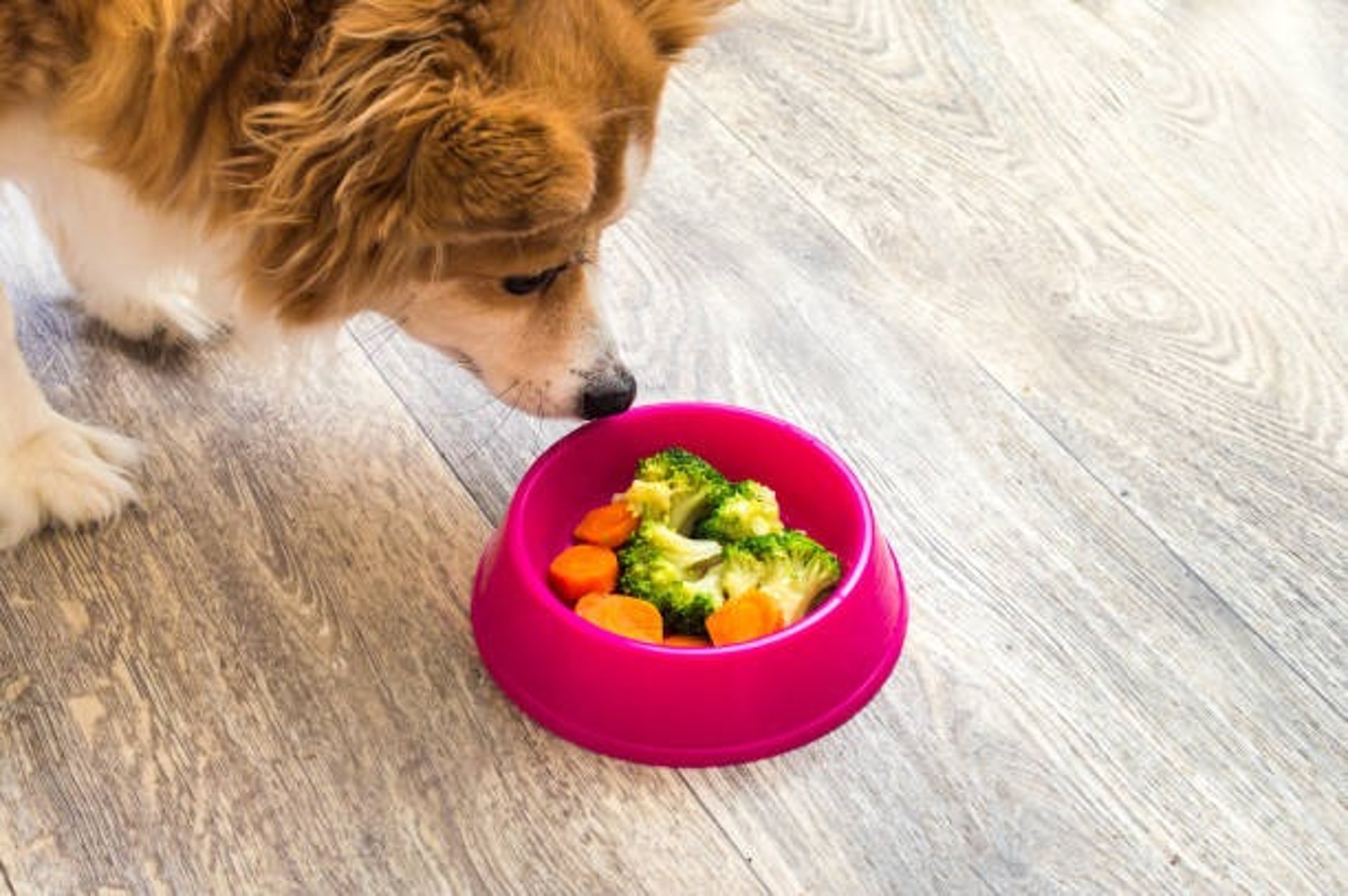
Including superfoods in your dog's diet can provide an extra nutritional boost. Some examples include blueberries, sweet potatoes, pumpkin, and spinach. These nutrient-dense foods are rich in vitamins, minerals, and antioxidants, promoting a stronger immune system and better overall health.6. Avoid Harmful Additives and Fillers:
When selecting dog food, read the labels carefully and avoid products that contain artificial additives, preservatives, and fillers. These ingredients can be harmful to your dog's health and may contribute to allergies or digestive issues. Choose products with natural ingredients and minimal processing.7. Treats: Healthy Rewards:
Even during training or as occasional rewards, opt for healthy treat options. Look for treats that are made from high-quality ingredients and are free from artificial flavors, colors, and excessive sugars. Alternatively, you can make your own treats at home using dog-friendly ingredients. Feeding your dog a nutritionally balanced diet is one of the best investments you can make in their long-term health and happiness. By understanding your dog's specific nutritional needs and selecting high-quality ingredients, you can ensure they receive the right balance of nutrients. Consult with your veterinarian for personalized advice and always monitor your dog's weight and overall well-being. Remember, a well-fed dog is a happy and healthy companion that will enrich your life for years to come.


Get in touch
Address
7-88 Doolapally WSC colo,
doolapally, Hyderabad